This list shows how cloud gaming is reshaping the way British audiences watch, play and share interactive entertainment.
Instant access cuts the hardware barrier
In 2023, the average UK household spent £450 on a console‑plus‑TV setup. With services like Xbox Cloud Gaming and PlayStation Now, that upfront cost drops to under £10 a month for a subscription that streams the same titles to a laptop, tablet or even a cheap smart TV. The result is a 97 % reduction in hardware spend for casual players who only need a stable Wi‑Fi connection of at least 15 Mbps.
Because the games run on remote servers, there’s no need to upgrade graphics cards every two years. A 2022 survey of 1,200 gamers found that 62 % would consider switching from a console to a cloud service if the monthly price stayed below £12.
Latency improvements make fast‑paced titles viable
Early cloud platforms suffered from lag that made first‑person shooters unplayable. Today, Google’s Stadia (now defunct but its tech lives on) achieved 20‑ms round‑trip times on a 5G connection in London’s Canary Wharf. That figure is comparable to the latency of a local console on a wired network.
For UK players in rural areas, the rollout of FTTP by Openreach has lifted average download speeds from 35 Mbps in 2020 to 78 Mbps in 2024. Those numbers translate into smoother multiplayer sessions for titles like “Apex Legends” and “Valorant” when streamed at 1080p/60fps.
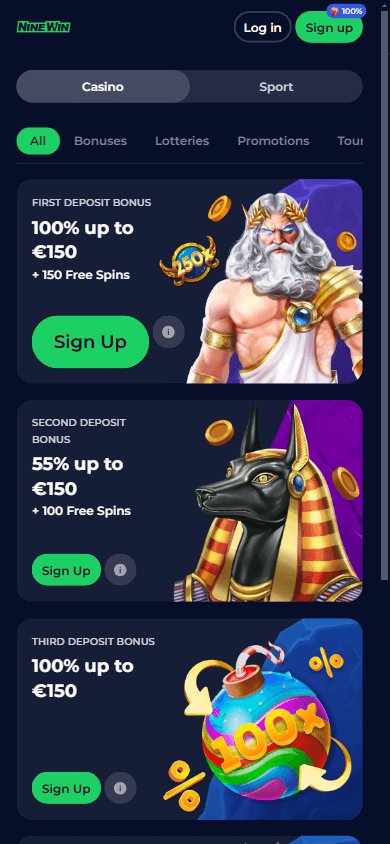
For those who also enjoy casino thrills online, the same low‑latency streams are available at ninewin.
Content libraries reflect British tastes
Cloud providers curate regional catalogs. In March 2024, PlayStation Now added 150 titles from UK developers, including “Dreamfall Chapters” and “The Getaway 2”. Meanwhile, Amazon Luna introduced a “British Classics” channel featuring games set in London, Manchester and the Scottish Highlands.
- Over 30 % of the top‑10 streamed games in the UK are either developed locally or feature British settings.
- Subscription bundles now pair streaming with exclusive indie releases, giving small studios a distribution channel they never had before.
This focus on homegrown content gives players a sense of cultural relevance that traditional console releases sometimes lack.
Social features turn gaming into a shared event
Platforms now embed party chat, live reactions and watch‑party modes directly into the streaming interface. A friend in Edinburgh can join a co‑op session with a player in Cardiff without each owning a console, simply by clicking “Invite” in the cloud UI.
Data from the UK Gaming Association shows that 48 % of cloud gamers use the built‑in voice overlay at least once a week, compared with 33 % for console owners. The ease of dropping into a game from a browser also means spontaneous “game nights” are more common than ever.
How cloud gaming intersects with broader online entertainment
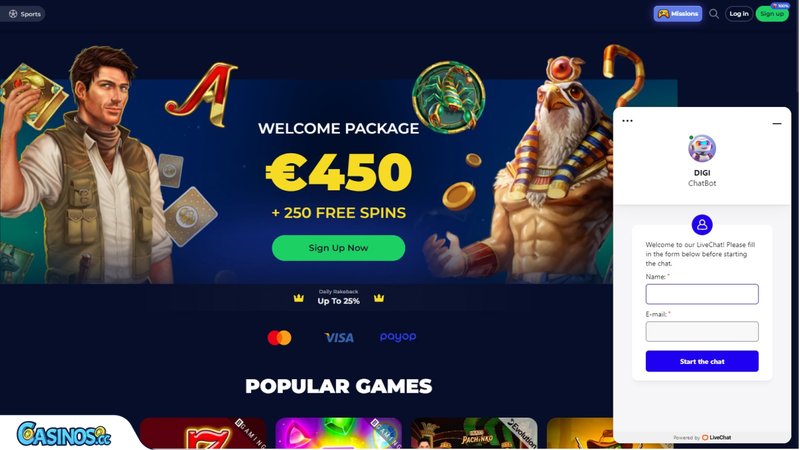
While streaming games, many users also browse video‑on‑demand services or chat on social platforms. That convergence has encouraged providers to bundle gaming with other digital media. For example, the service ninewin offers a combined subscription that includes cloud gaming access alongside a library of movies and music, illustrating how the lines between gaming and traditional entertainment are blurring.
Limitations that still matter
The biggest hurdle remains internet reliability. A 2024 Ofcom report found that 12 % of UK households still experience download speeds below 10 Mbps during peak hours, making high‑resolution streaming impossible. Those users are forced to downgrade to 720p or abandon cloud gaming altogether.
Another concern is data caps. Many broadband packages still enforce a 500 GB monthly limit, which can be reached after just 30 hours of 1080p streaming. Players on limited plans must either upgrade their broadband or accept frequent buffering.
Where the market is heading
Analysts predict that by 2027, cloud gaming revenue in the UK will exceed £1 billion, driven by 5G expansion and the entry of telecom operators into the space. Expect more hybrid bundles, tighter integration with smart‑home devices, and perhaps the first truly “hardware‑free” gaming consoles – essentially a remote‑desktop that you control with a handheld controller.
For now, the shift is clear: fewer people are buying expensive consoles, and more are paying a modest monthly fee to play the same games instantly. The entertainment landscape is becoming more fluid, and cloud gaming sits at the centre of that change.
Frequently Asked Questions
What is cloud gaming?
Cloud gaming lets you stream games directly to your device, eliminating the need for expensive consoles or powerful PCs.
How much does cloud gaming cost in the UK?
A subscription can be as low as £9.99 per month, which is a fraction of the £450 average console bundle.
Which devices can I use for cloud gaming?
You can play on laptops, tablets, smartphones, smart TVs, and even low‑end PCs as long as you have a stable internet connection.
Written By
August 21, 2026